Beech Trees & Kretzschmaria deusta
Understanding a Hidden Threat in Our Landscapes
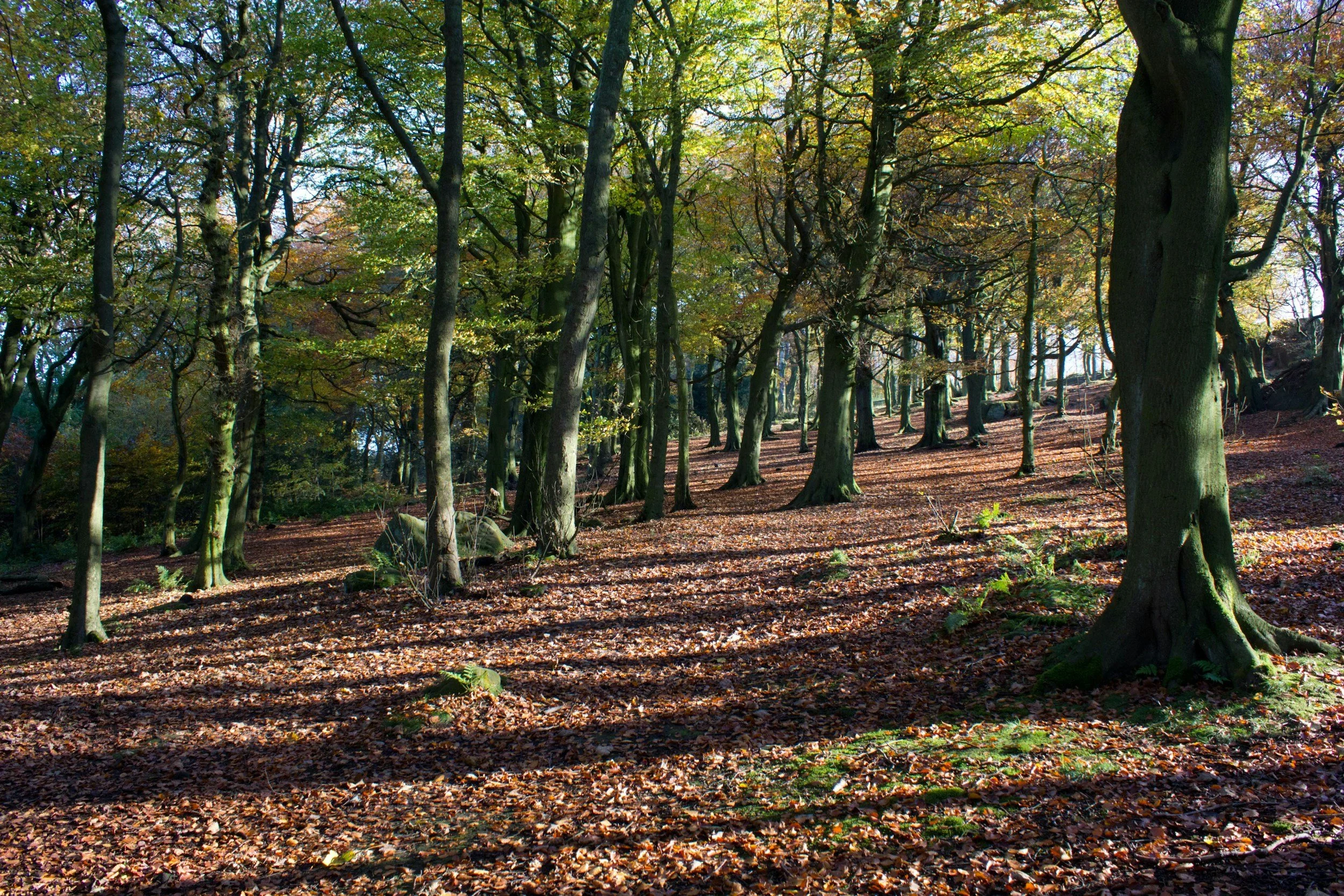
Beech trees are some of the most iconic and beautiful hardwoods in the UK. Their smooth grey bark, sweeping canopies and ecological value make them a favourite in parks, estates and woodlands. But beneath that elegance lies a vulnerability that many people don’t see until it’s too late, Kretzschmaria deusta, commonly known as brittle cinder fungus or burnt crust fungus.
This fungus is one of the most destructive pathogens affecting mature beech trees and understanding it is essential for responsible tree management.
What Is Kretzschmaria deusta?
Kretzschmaria deusta is a wooddecay fungus found across temperate regions of the Northern Hemisphere. It infects a range of broadleaved trees, but European beech (Fagus sylvatica) is one of its most common hosts.
It’s a subtle fungus, easy to miss and easy to mistake for fire damage. When young, it appears as a pale grey crust with white edges. As it matures, it turns black, brittle and carbonlike, snapping cleanly like charcoal.
This inconspicuous appearance is part of what makes it so dangerous.
How the Fungus Affects Beech Trees
Kretzschmaria deusta causes root and butt rot, attacking the lower trunk and root system. It decays both lignin and cellulose, but preferentially targets cellulose, the structural component that gives wood its strength. As cellulose breaks down, the wood can lose stability rapidly, even while appearing deceptively sound from the outside.
Key impacts include:
Severe structural weakening Trees may look healthy but can fail suddenly because the decay pattern leaves the outer wood intact while hollowing and weakening the interior.
Cryptic symptoms Early signs are subtle or absent. Some trees show undersized foliage, canopy dieback, basal cankers or sap flow as the infection progresses.
Fruiting bodies near the soil line The fungus typically produces its crust-like fruiting bodies at the base of the tree, often close to the root flare. These are most visible in late spring and early summer.
Black zone lines in the wood Cross-sections of infected wood often show distinctive black lines, a hallmark of Kretzschmaria infection.
Why Beech Trees Are Particularly Vulnerable
Beech trees have shallow root systems and smooth bark, making them more susceptible to basal wounds from mowers, strimmers and mechanical damage. These wounds create entry points for Kretzschmaria deusta.
In managed landscapes, parks, estates and gardens, beech trees often experience soil compaction, drought stress and root disturbance. These stressors reduce vitality and make them more prone to infection.
Why This Fungus Matters for Tree Safety
Kretzschmaria deusta is considered one of the most destructive root and butt rot pathogens of hardwoods in many regions.
The biggest concern is sudden structural failure.
Because the decay is internal and often invisible, a large beech tree can collapse without warning, posing risks to people, property and infrastructure. This is why early identification and monitoring are essential.
Signs to Look Out For
If you manage land with beech trees, keep an eye out for:
Black, brittle, crust-like growths at the base of the trunk
Grey fruiting bodies with white margins in spring
Sloughing bark or sap-soaked patches near the base
Reduced leaf size or thinning canopy
Bleeding basal cankers
Past mechanical damage around the root flare
If you spot any of these, a professional tree assessment is strongly recommended.
How Crest Tree Services Approaches Kretzschmaria deusta
At Crest, we take fungal pathogens seriously, especially those affecting mature beech trees. Our approach includes:
Detailed tree assessments Including visual inspection, root collar examination and habitat considerations. Where appropriate we can also carry out an internal decay assessment using a Resi drill or tomography.
BS5837 reporting Where development is involved, we assess whether infected trees pose a risk to structures or people.
Long-term monitoring Some trees can be retained with careful observation, depending on the extent of decay.
Honest, evidence-based advice If a tree poses a significant risk, we’ll explain the situation clearly and help you plan safe, responsible management.
Our ethos is always to balance tree health, habitat value and public safety, doing what’s right for the tree and the landscape around it.
Protecting Beech Trees for the Future
Beech trees are a cornerstone of many UK landscapes. Understanding threats like Kretzschmaria deusta helps us protect them, manage risks responsibly and preserve the habitats they support.
If you’re concerned about a beech tree on your land, or you’ve spotted something unusual at the base, we’re here to help with clear, professional guidance.